
Now things are changing in media and advertising industry. What people watch actually matters more than what gets delivered. For years, the focus stayed on just distribution alone. A change creeps in when attention becomes the real factor of consideration.
The Impression Problem:
A story runs beneath many ad deals, sometimes unspoken. Every advertiser pays for the impression count. The system often marks it as done. A figure appears on their screen. Yet belief floats in the air – perhaps someone saw the ad, took it in, was moved.
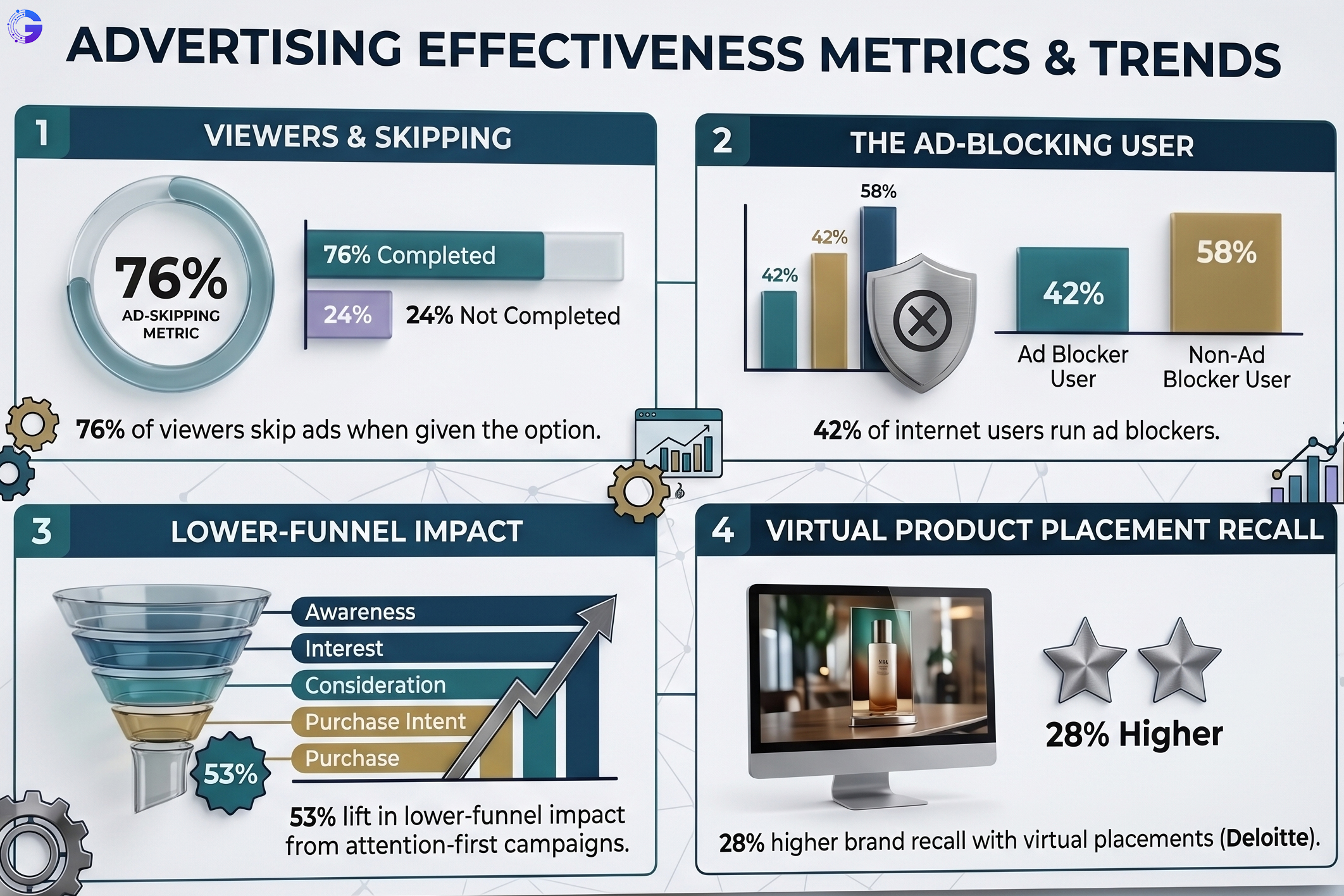
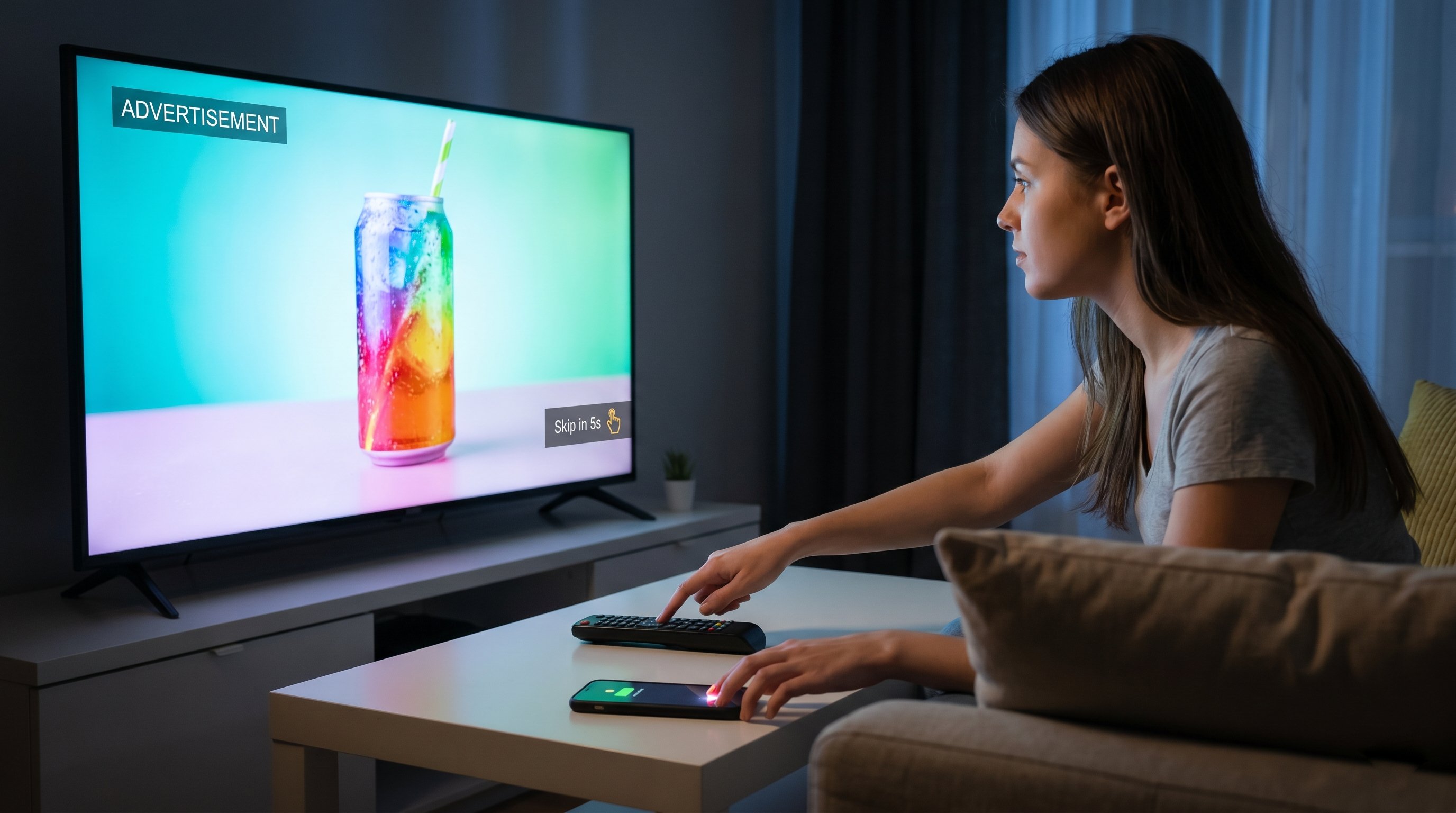
Most of the time, there was simply no reaction. Data straight from Google says that more than half of display ads aren’t viewed at all. Once that skip option pops up on YouTube, nearly three out of four people move on instantly. Since over two in five online users now block ads one way or another, what gets delivered rarely matches what actually people sees.
Advertising measurement are built around what was easy to count. An impression? Now, that’s just machines talking to machines. It shows a signal fired off into space. Did someone actually noticed it? Not really. A mind might have been anywhere else entirely.
Attention Changes the Equation:
That thing you call attention? Turns out it’s now something engineers can measure. Come November 2025, two big groups – the IAB and MRC – dropped a full blueprint on how to track what grabs eyes, built alongside more than 200 experts from companies, ad teams, and tech sides. This move basically said: counting page views alone won’t cut it anymore.
Change has started showing real results. Not long ago, a report from Adelaide’s 2026 looked at 60 case studies across 16 industries. It showed attention-powered campaigns in 2025 delivered a 33% lift in upper-funnel KPIs and a 53% increase in lower-funnel impact. One e-commerce brand generated 3.8x more checkouts simply by prioritising high-attention placements over standard inventory.
“2026 is the year that attention becomes the number one metric. Attentive reach and frequency will be what brands demand and how success is judged.”
Ad formats that are built around attention – rather than fighting against viewer behaviour mostly outperform by design. And no format demonstrates that more clearly than in-scene ad placement.
What In-Scene Advertising Actually Does?
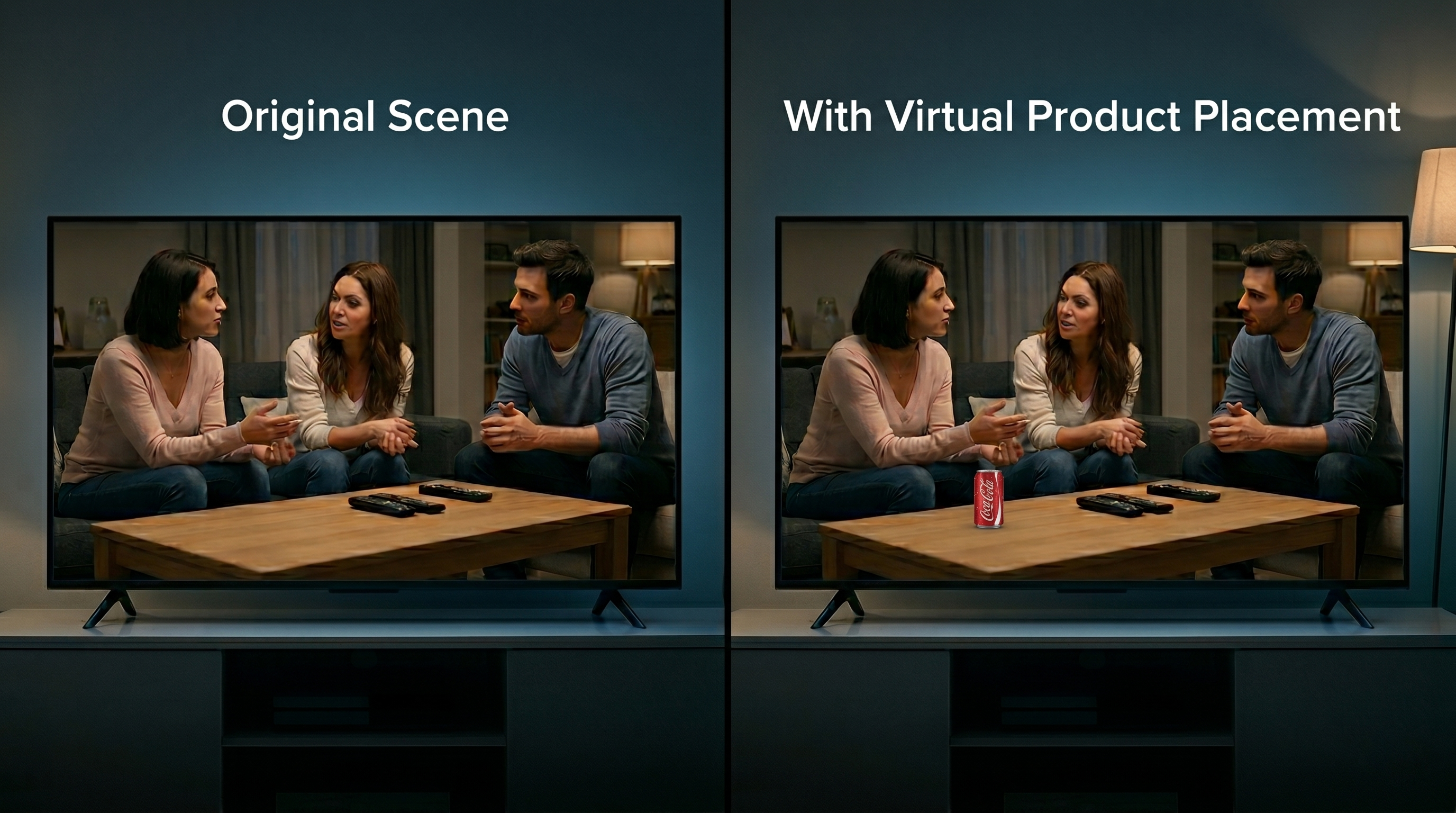
Virtual product placement is the practice of inserting brand items into videos after filming happens through digital means. This method goes by another name too: inscene video advertising. Picture a soda bottle from a known company sitting on a countertop. In dramas, sometimes signs appear behind actors, like logos painted on city walls. Objects show up where characters work, say a phone resting on a table nearby. These visuals fit naturally within moments instead of breaking them. What matters is how they blend without standing out.
When ads appear inside the video someone is watching, there’s no need to click past them – the experience flows without pause. Attention stays locked on the screen because the story keeps moving, with the product fitting naturally into scenes. Evidence supports this shift: Deloitte found virtual placements deliver up to 28% higher brand recall, and studies show that 75% of viewers enjoy in-content advertising, compared to just 12% who enjoy interruptive formats.
In-Scene Ad solutions also solve the reach problem. When commercials sit within scenes instead of break slots, they stay visible even if someone scrolls past mid-roll cuts, uses a low-ad plan, or glances elsewhere when regular ads play. Data from Mirriad shows viewer numbers jump between 22 and 49 percent above typical commercial breaks – programme choice affects how big that lift is.
How Gyrus AI Makes It Work?
Now things have changed a lot in ad tech that works with specific scene level. Instead of redoing footage, Gyrus AI’s contextual advertising platform uses AI to handle the full pipeline. From scene analysis to putting items there digitally, it runs start to finish by itself. Without requiring manual intervention. The usual way studios make shows stays untouched.
Contextually Relevant Placements: AI analyses the scene – location, objects, emotional tone, and matches brand categories that feel native to that moment. Not just the right show. The right scene.
Non-Intrusive & Unskippable: Ads are embedded inside content, not layered over it. There’s no break, no skip button, and no viewer friction. The brand is simply present in the story.
Photorealistic 2D & 3D Rendering: Placements – whether flat banners (2D) or full 3D product models are rendered with accurate lighting, shadows, and perspective. They look like they were there on the day of the shoot.
Automated Placement Decisions: The system detects optimal placement opportunities and executes them automatically. No manual review cycle. No production bottleneck. Ads go in at scale, in the right moments, every time.
With Post-Production Ad Insertion, creators never need to touch their original footage. Because viewers see tailored spots based on location or preferences, one version fits many needs. Old videos gain new purpose, turning into spaces where ads run without re-editing.
During live broadcasts like games or breaking updates, the system shifts instantly as shots change or scenes unfold. What plays where adjusts quietly behind the screen. Even past recordings breathe again as active sources of revenue. Each moment stays fluid, matching pace with broadcast flow.


